


Do simple checks cut fuel waste and reduce downtime risks?
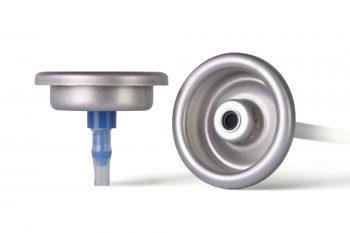
Routine checks on gas equipment can prevent accidents, and a key part that deserves attention is the EN417 Valve that links a portable fuel source to an appliance. Frequent inspection is a simple habit that reduces the chance of unnoticed leakage and keeps pressure delivery steady during use. With public concern about equipment safety rising, small daily actions around connectors offer practical protection for users and neighbors.
Minor faults often begin as barely visible wear. A cracked seal, a small deposit in a mating face, or a hairline fracture in a coupling can allow fuel to escape slowly until a larger problem appears. Visual inspection combined with a simple leak test or tactile check can reveal weak spots early, letting maintenance teams replace a worn seal before it causes service interruption or hazard.
Stable pressure supports predictable operation. When connections hold tight and regulators perform without surprise, burners maintain steady heat and appliances respond reliably. That consistency reduces waste and removes the need for constant adjustments, which is especially helpful when equipment runs for long cycles or moves between locations. Regular pressure checks and operational tests help detect drift before it becomes a problem.
How a connector is made affects longevity. Components that use corrosion resistant materials and resilient sealing compounds stand up better to repeated assembly and exposure to combustion residues. Designs that avoid deep crevices and allow easy access to replace seals simplify field service. Simple connection features that permit seal replacement without special tools shorten downtime and lower maintenance costs.
Clear handling cues and ergonomic design reduce human error. Connectors with textured grips, audible clicks, or visible alignment marks help users confirm secure mating by feel or sight. Training that emphasizes proper hand tightening and routine checks lowers misconnection rates and reduces the chance of unattended faults. When operators trust the connection, they are more likely to perform quick checks instead of skipping them.
Environmental stewardship benefits from reduced leakage. Even slow bleed increases emissions and wastes fuel over many cycles. Regular checks that spot and fix leaks contribute to lower cumulative emissions from idle systems and make operations cleaner. Choosing low bleed fittings and routine maintenance aligns everyday practice with broader environmental goals.
A compact inspection routine works best. A short checklist that includes visual inspection, feel for secure engagement, and a basic leak test fits easily into daily workflows. Keeping a small cache of replacement seals and a simple tool kit near equipment speeds repairs and encourages prompt action. Good documentation of inspection cycles helps teams predict when parts will need replacement and supports orderly spare part planning.
Compatibility matters for convenience and safety. Connectors that mate across different appliance types without adapters reduce the chance of mismatched fittings. Standardized interface choices simplify spare part inventory and shorten staff training. For operations that move equipment between sites, uniformity in connectors reduces the risk of incorrect pairings and the maintenance overhead that follows.
Field observations often reveal useful patterns. Technicians share which materials tolerate temperature swings, which seal compounds resist degradation, and which coupling styles keep alignment under repeated use. Those practical notes refine procurement choices and make maintenance schedules more effective.
A program that pairs frequent checks, basic training, and sensible spare stocking yields clear advantages. Reduced leakage, steadier appliance behavior, and fewer emergency repairs support safer daily operation. Community awareness and basic emergency readiness amplify the benefit of checks. Simple drills, clear signage, and routine reviews of handling steps help households and teams react calmly if a leak is detected. Regular drills also encourage consistent habits and make inspections part of everyday practice. That simple routine of attention and care makes gas systems more reliable and reduces risk for everyone involved. Simple inspections. Visit https://www.bluefirecans.com/ .

 English
 Arabic
 French
 Spanish
 Portuguese
 Deutsch
 Turkish
 Dutch
Dutch
 Italiano
 Romaian
 Portuguese (Brazil)
 Greek
Greek